Tag: Mortgage

  • How New Rules Could Change Pennsylvania Home Sale Commissions

    How New Rules Could Change Pennsylvania Home Sale Commissions

    The way people buy and sell homes in Pennsylvania is changing; some of these changes have already started in certain places. To settle a lawsuit accusing Realtors and some real estate companies of keeping commissions high, the National Association of Realtors (NAR) has agreed to make major changes to how real estate deals work. These changes will apply nationwide by Saturday but have already started in some areas.

    Here’s a breakdown of what’s changing and what it means for buyers and sellers.

    No More Automatic Buyer Commission Splits in Pennsylvania

    In Pennsylvania, when homeowners listed their property in the past, they typically agreed to pay a commission of up to 6% of the sale price (around $18,000 on a $300,000 home), which was then split between the seller’s and buyer’s agents. Now, this split is no longer automatic. Buyers must sign an agreement with their agent and may be responsible for paying the agent’s commission unless the seller agrees to cover it.

    This change makes the process more transparent, helping buyers and sellers understand their fees and who is responsible for them.

    Flexibility in Commission Rates and Services

    With these new rules, buyers and sellers can agree on different commission rates depending on the services provided by the agent. For example, a cash buyer who doesn’t need help with a mortgage might pay a lower commission than someone who requires mortgage assistance. Similarly, sellers who need more marketing support—like professional photos or staging—might pay more than those needing only basic services.

    This flexibility gives clients more control over what they pay based on the type of support they need.

    Possible Decrease in Total Sales Costs in Pennsylvania

    Some experts believe these changes could lower transaction costs in Pennsylvania over time. In other countries with similar real estate fee structures, commission rates are typically lower, which can result in reduced home prices since sellers don’t face high commission fees. Lower costs may also make buying a home in Pennsylvania more affordable.

    Impact on Real Estate Agents

    These changes could also impact real estate agents, especially those who rely on traditional commission structures. Some agents might leave the industry if they are unable to maintain the same earnings they had under the old system. Meanwhile, NAR is encouraging buyers to hire agents to guide them through the process, as hiring an agent will now be an active choice for buyers.

    Agents’ Role in Educating Buyers and Sellers

    Agents are still vital for navigating the details of a home sale. They help buyers by overseeing inspections, working with lenders, and managing title companies. For sellers, agents provide guidance on which offers are truly the best. For example, a slightly lower offer with fewer contingencies might actually be a better option for a seller than a higher, riskier offer. Agents educate sellers on the pros and cons of each offer to help them make informed choices.

    These changes aim to create a fairer, more transparent real estate market where buyers and sellers have greater control over their costs and a clearer understanding of the services they’re paying for.

  • The Short Sale Scenario in Pennsylvania: A Crisis or an Opportunity?

    The Short Sale Scenario in Pennsylvania: A Crisis or an Opportunity?

    In Pennsylvania, as in much of the nation, homeowners and potential buyers are grappling with the repercussions of climbing interest rates. This economic shift is particularly impactful in the state’s largest cities—Philadelphia, Pittsburgh, Allentown, Erie, and Reading—where the housing market dynamics are complex and ever-evolving.

    Understanding Short Sales

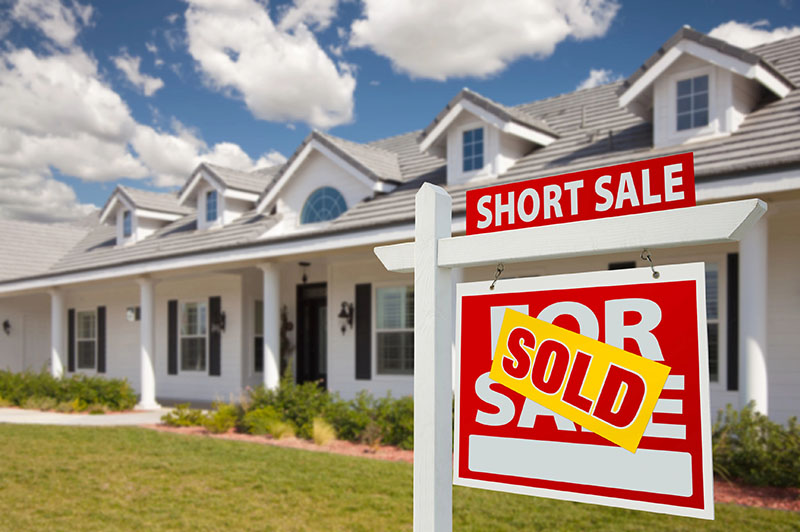
    A short sale occurs when a property is sold for less than the amount owed on the mortgage, typically as a last resort before foreclosure. As interest rates rise, monthly mortgage payments increase, pushing more homeowners towards this drastic step. “Short sales are often a barometer for economic stress in the housing market,” explains Jonathan Smith, a real estate analyst based in Philadelphia.

    The Connection Between Interest Rates and Foreclosure

    Interest rates are a critical lever in the economy, influencing everything from consumer spending to home loans. In Pennsylvania, the recent uptick in rates has led to a corresponding rise in foreclosure rates. “Higher interest rates mean higher costs for homeowners, which unfortunately leads to more foreclosures,” states Maria Lopez, a mortgage advisor in Pittsburgh. This trend underscores the fragile balance between maintaining affordable homeownership and managing economic growth.

    Cold Calling: A Strategy for Real Estate Professionals

    Real estate agents in Pennsylvania have turned to cold calling as a strategy to identify potential short sales before they hit the market. By reaching out to homeowners who are behind on payments, agents can provide options before foreclosure becomes inevitable. “Cold calling isn’t just about finding opportunities; it’s about helping homeowners in distress,” notes David Kim, a real estate agent in Erie.

    The Role of Major Cities in the Short Sale Market

    In Pennsylvania’s largest cities, the real estate market is particularly sensitive to economic changes. Cities like Philadelphia and Pittsburgh have dense populations where the effects of economic policies, including interest rate changes, are magnified. “Urban areas often see the quickest reaction in the housing market to economic changes,” says Sarah Bennett, a real estate expert in Allentown.

    Future Outlook: Predictions and Preparations

    As Pennsylvania braces for continued economic fluctuations, experts advise homeowners and buyers to stay informed and prepared. “Understanding your mortgage and the potential impact of interest rates is crucial,” advises Lopez. Meanwhile, real estate professionals continue to adapt, using tools like cold calling and market analysis to navigate the challenging landscape.

    Conclusion: A Call for Vigilance and Adaptability

    The short sale market in Pennsylvania is a reflection of broader economic conditions. With interest rates poised to shape the future of real estate, vigilance and adaptability will be key for anyone involved in the housing market. “Staying ahead of trends and understanding the underlying factors affecting homeownership can mitigate the risks associated with economic downturns,” concludes Smith.

    This deep dive into Pennsylvania’s short sale market reveals a complex interplay between economic policies, market strategies, and individual circumstances. As the state navigates these turbulent waters, the resilience and foresight of its real estate community will play a pivotal role in shaping its housing landscape.

  • Understanding Escrow in Pennsylvania: A Guide for New Homeowners and Sellers

    Understanding Escrow in Pennsylvania: A Guide for New Homeowners and Sellers

    As a new homeowner or a seller in Pennsylvania, one term you will frequently encounter in your real estate journey is “escrow.” This term may seem complex, but it’s integral to real estate transactions. In this article, we will demystify escrow, illustrating its function, the role of the broker, the legal requirements, and how it fits into the broader context of Pennsylvania’s housing market.

    What is Escrow and How Does It Work?

    In real estate, escrow is a process that ensures the secure handling of funds and documents between the buyer and seller until all the conditions of the sale are met. It involves a neutral third party, often an escrow officer or a title company, who holds the funds, typically referred to as earnest money, during the transaction process.

    When you, as a buyer, make an offer on a house, you provide earnest money to show the seller that you’re serious about purchasing. This money is deposited into a bond account, where it stays safe until closing. The amount usually ranges from 1-3% of the home’s sale price.

    The Role of the Broker and Legal Requirements

    In Pennsylvania, the broker often plays a significant role in the escrow process. They work closely with the buyer, seller, and escrow agent to ensure all legal requirements are met. Pennsylvania law mandates that brokers must place any funds received as deposits into a bond account within 24 to 48 hours of the transaction.

    The Pennsylvania Real Estate Commission oversees the rules related to escrow. Brokers are required to keep detailed records of all transactions involving escrow funds. Any misuse or mishandling of these funds can lead to severe penalties, including license suspension or revocation.

    Escrow and Your Mortgage

    The escrow process is also tied to your mortgage. Lenders often require an escrow account to cover property taxes and homeowners insurance. This ensures these crucial bills are paid on time, protecting their investment. Your credit score can influence your mortgage approval and rates, and consequently, your bond payments.

    How Long Is Escrow?

    The length of the escrow process in Pennsylvania can vary based on numerous factors, including the terms of the purchase agreement and the buyer’s mortgage lender’s timeline. On average, the bond process lasts 30 to 60 days from the accepted offer to the final closing.

    Escrow in the Current Pennsylvania Housing Market

    In light of recent trends, understanding escrow becomes even more crucial. Pennsylvania has seen a unique phenomenon where home sales have decreased, but prices have increased due to short inventory. This situation puts both buyers and sellers in a precarious position where earnest money and secure transactions become even more critical.

    In Conclusion

    The escrow process in Pennsylvania can seem complex, especially for new homeowners and sellers. However, understanding this process, the role of the broker, and the legal requirements can help ensure a smooth real estate transaction. As the housing market continues to evolve, staying informed about these elements can be a valuable tool in navigating Pennsylvania’s unique real estate landscape.